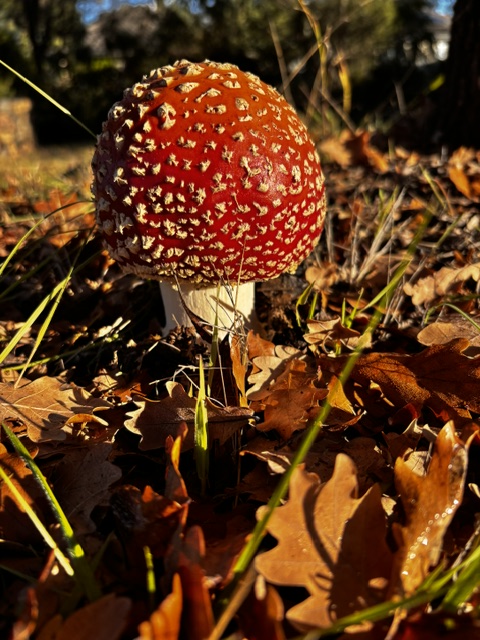

Copyright Nicole Peel 2026
Creativity is an ecosystem that reflects the material, habits and values we feed into it. Like a garden, we will reap what we sow.
Readers respond to creative writing with emotion. ‘I loved it, I wanted more, I felt this was missing,’ and so on.
We have discussed AI at my local writers’ group, many times. Some stories are inspired by AI concepts, and some members may use AI tools in the background, but the writing itself is recognisably human. Each fortnight, people create narratives, songs, scripts and poetry with heart and with attention to lived experience. A slow pause needed for a moment of realisation. A quivering voice for fear. Deep reflection, satisfaction, and transformation after a quest is completed. A visceral relief. The calming of rain.
Online, however, I increasingly see something different.
In Australia, changes have been proposed to strengthen artists’ copyright protections in the age of AI. Large language models depend on material humans have already created, whether on paper or in digital form. They rely on predictability of patterns. What would the next word most likely be? The more rubbish we produce, the worse the results will be.
Copyright safeguards matter, yet another question remains: what happens if local voices and experiences are absent from AI development, and why should individual artists bear that risk? Will we have a Sesame Street effect? The flood of American television into Australia in the 1980s led to ‘domestic content’ rules in mainstream media. Australian media has flourished in the streaming world as a result. We tended that corner of the garden. My garden is large and full of rambling plants. Unusual species grow beside vigorous naturalisers such as lambs’ ears, shasta daisies, bluebells, and black-eyed Susans. Left alone, they migrate from bed to bed and, over time, reshape the garden. They move to find the sun, water and soil they need as the tree canopy and root systems change.
I once found a pot of iris corms almost bursting beneath a tree at a previous property, as if forgotten. I divided and planted them, and within two years they had become a flourishing iris garden. We carried some to our next home, where they now ramble across the terraces among the daisies and bluebells. With occasional dividing, mulching and deadheading—not too much and not too little—all these plants continue to thrive. It is a joyful splattering of purple, yellow, white and blues in spring. What survives is shaped by what we cultivate.
Recently, I joined an open creative-writing group on Facebook. Unlike vetted groups, its membership and feedback vary widely. Debate about AI and writing is rife. New writers often arrive seeking help, and published authors generously share feedback, tools and resources. Experienced writers also post exceptional work for feedback. Alongside them are likely scams offering publication for an upfront fee—with stories of poor-quality products that waste money and steal a writer’s original work. This open online world reinforces the importance of copyright protection.
Much of the group’s activity is constructive. Members share drafts, discuss technique and respond to prompts; a single image of sunlight filtering through trees could inspire hundreds of distinct stories. It is fascinating and rewarding to watch the differing processes people go through. But there can also be sloppy posts, and equally sloppy responses.
Recently I witnessed four striking examples of poor AI-assisted practice, in very quick succession. It was sometimes difficult to know whether the posters were genuine writers or bots. When prompted, some acknowledged using AI, which at least introduced some transparency, but their approaches revealed sharply different attitudes towards creativity, craft and ownership.
In a very short timeframe the four OPs illustrated increasingly troubling uses of AI in creative writing. Two people repeatedly fed weak drafts through AI without meaningfully engaging with the group’s feedback. Instead of going away and digesting and reworking, they would reappear a few hours later with slightly reworked products, and demand more feedback in similar timeframes. However, they were still missing the fundamentals. Neither of the stories had heart, emotion, and in one case, grammar. Basic structure was missing. What was produced was just a rambling of words, which many readers acknowledged to giving up on in the first sentence or two.
Another promoted an AI-generated cover before writing the book, intending to produce the manuscript with AI that afternoon. Imagine the anger that followed. Many were convinced this was online rage bait. It may have been. A fourth asked AI to imitate an existing novel’s cover and plot with only superficial changes, then pushed it out online for feedback. As you can imagine, the online group went into meltdown over copyright and creativity, demanding that the humans face themselves
Together, these examples showed not simply poor writing, but an absence of creative labour, genuine character experience and respect for copyright. They want to be writers—they don’t want to write. The fundamental absence is experience. At my local writers’ group, whatever the form—science fiction, historical fiction, poetry, songs or essays—the work returns to what happens to a character and how that character changes. It reflects the diversity of human experience.
AI may eventually read vast collections of fiction, biography, history and reference works, but reading about experience is not the same as having it. Even the strangest alien can encounter fear, survival, discovery, joy, fear or loss, if this is written into the character. Imagine how dull a story would be without this. How, then, will a system that cannot experience the world understand or convincingly represent humanistic transformation?
We will reap what we sow through AI. AI will not care that a story does not hit the mark. There is no ego to bruise, and no spirit to be lifted. We could neglect the garden and allow a tangle of words to spread without purpose by countless bots or poorly trained AI users, or we could cultivate it carefully. That means protecting creators, valuing transparent practice and insisting that stories contain more than fluent sentences. Creative writing needs structure, intention and a credible form of character experience—even when the character is not human, but importantly now, when the reader is not human.
AI can be a tool, but the ecosystem it produces will reflect the facts, material, habits and values we feed into it. If we want meaningful writing, we must tend the garden.
This article was dictated and the transcript sent to the author by email. Common misspellings were corrected, paragraph breaks inserted and key ideas clarified. The author then accidentally triggered Copilot, which offered a further clean-up. The article was printed for a second edit by the author, followed by a third edit after a night’s sleep, a redraft, and a fourth after feedback from the writing group.
 Nicole Peel Writes